
Dalkeith Matiaha
Ngāti Kahungunu ki Wairarapa, Rangitāne (Te Matau-a-Māui/Hawkes Bay/Wairarapa)
Tonganui Scholarship Recipient 2024
Dalkeith seeks to continue his kaupapa, Hī Ika, which for two years has helped rangatahi reconnect with their whakapapa and tikanga Māori through their relationship with Tangaroa.
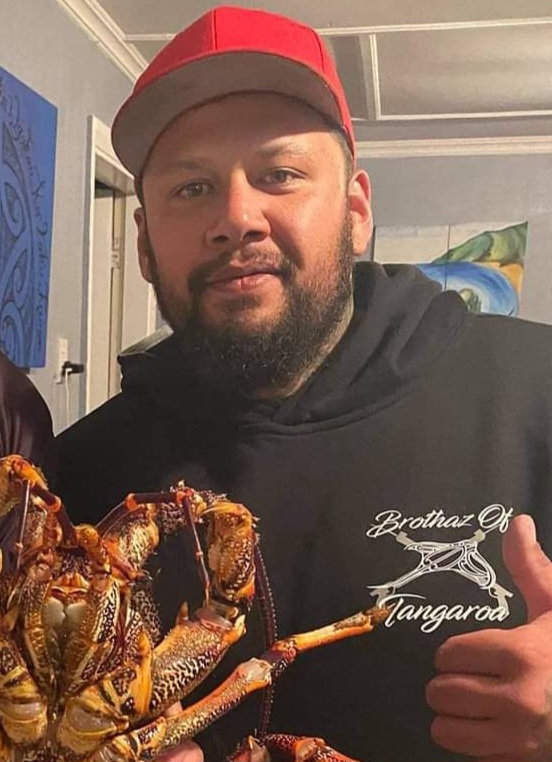 Dalkeith’s moemoeā…
Dalkeith started Hī Ika in 2022 as a reintroduction program for rangatahi to their whakapapa and tikanga through moana.
His goal is to run two separate wānanga/retreats, one in Wairarapa and one in Wellington, that will go for two-three days each with a max of 25 participants per event.
The Tonganui scholarship funding will be utilised to co-design, develop, deliver, and evaluate a wānanga experience for Pakeke (including women) from across the Wellington and Wairarapa regions. The programs kaupapa will further extend the Brothaz of Tangaroa and Hī Ika kaupapa through advancing kaupapa and mātauranga tuku iho within western management and knowledge systems about the realm of Hinemoana, Tangaroa, and Kiwa.
The scholarship funds will cover the costs of the co-design/development, equipment & resources needed for delivery of two wānanga/retreats based on the Marae or in the Taiao (Camping) or suitable accommodation close to the Moana. Co-design and development will require a minimum of two pre-hui to design the layout of each kaupapa for Pakeke. (2x for Wairarapa and 2x for Wellington). Kai supplied and koha to cover time/travel costs. Team: Brothaz of Tangaroa crew and Hī ika team; Guest speakers; Iwi/kaumātua support; Haka/Waiata kaiako. Objectives and goals: Finalise dates for each event (aligned to maramataka); Secure suitable venue or locations; Secure guest speakers/presenters; Finalise agendas for Wānanga/retreats; Risk management Equipment and resources needed for the wānanga / retreats will include: Guest speakers, who will deliver different parts of the kaupapa (koha needed); Transport/Van (koha needed); Cooking gear/gas etc (if taiao based); Venue Hireage (Pool /Marae/accommodation); Screen or projector; Kai/Essentials; First aid/Safety equipment Eg: PLB; Admin/Content and media support (koha needed).
Kaupapa update from Dalkeith
What were the major outcomes of this kaupapa?
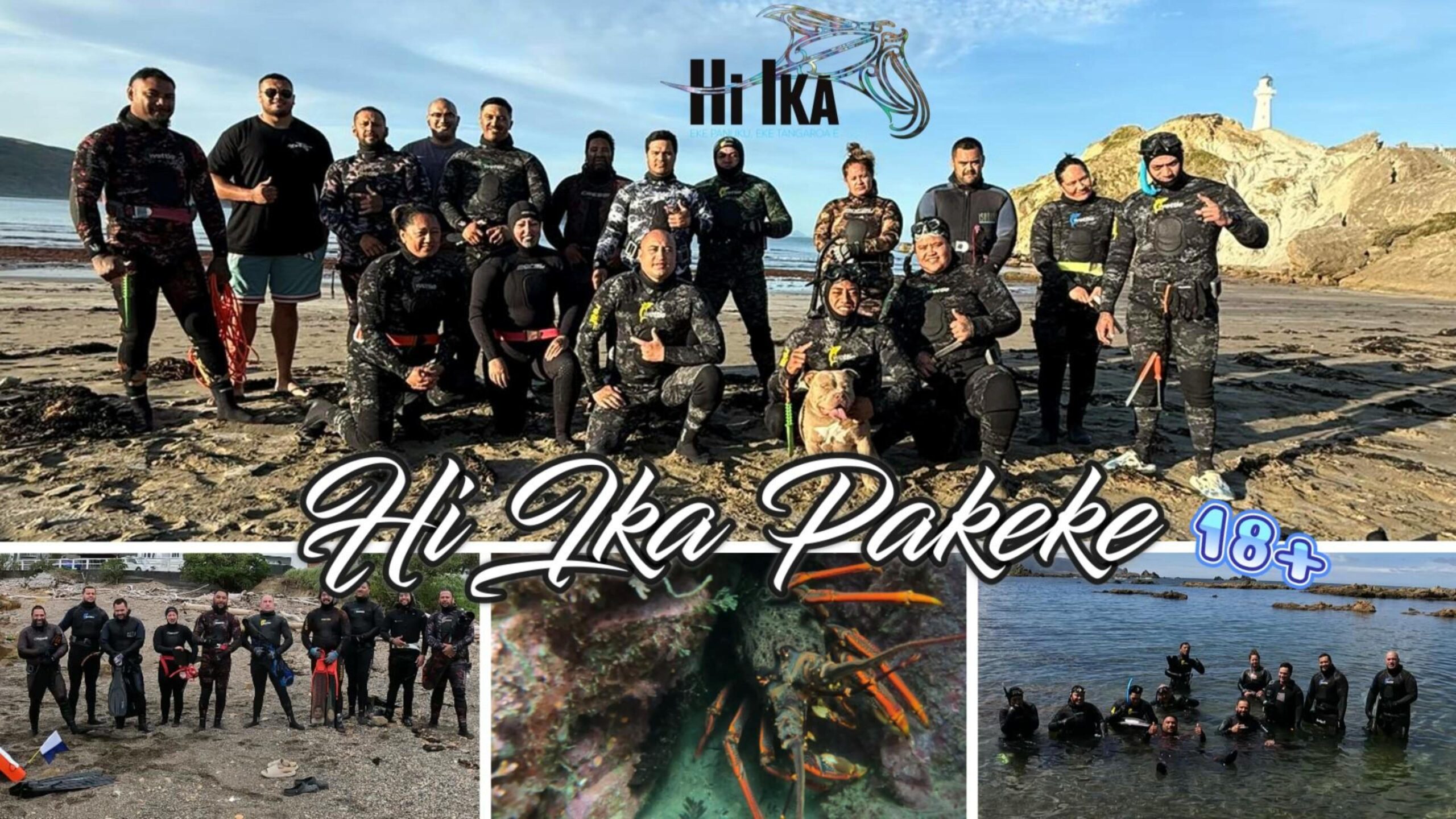
The Hī Ika Pakeke kaupapa has proven to be a powerful and transformative programme that supports the wellbeing, capability, and cultural identity of our pakeke through meaningful, hands‑on experiences grounded in mātauranga Māori. With dedicated funding, we were able to design and deliver a wānanga that was fully tailored to the needs of our community and whānau, ensuring every aspect of the programme was relevant, safe, and culturally responsive.
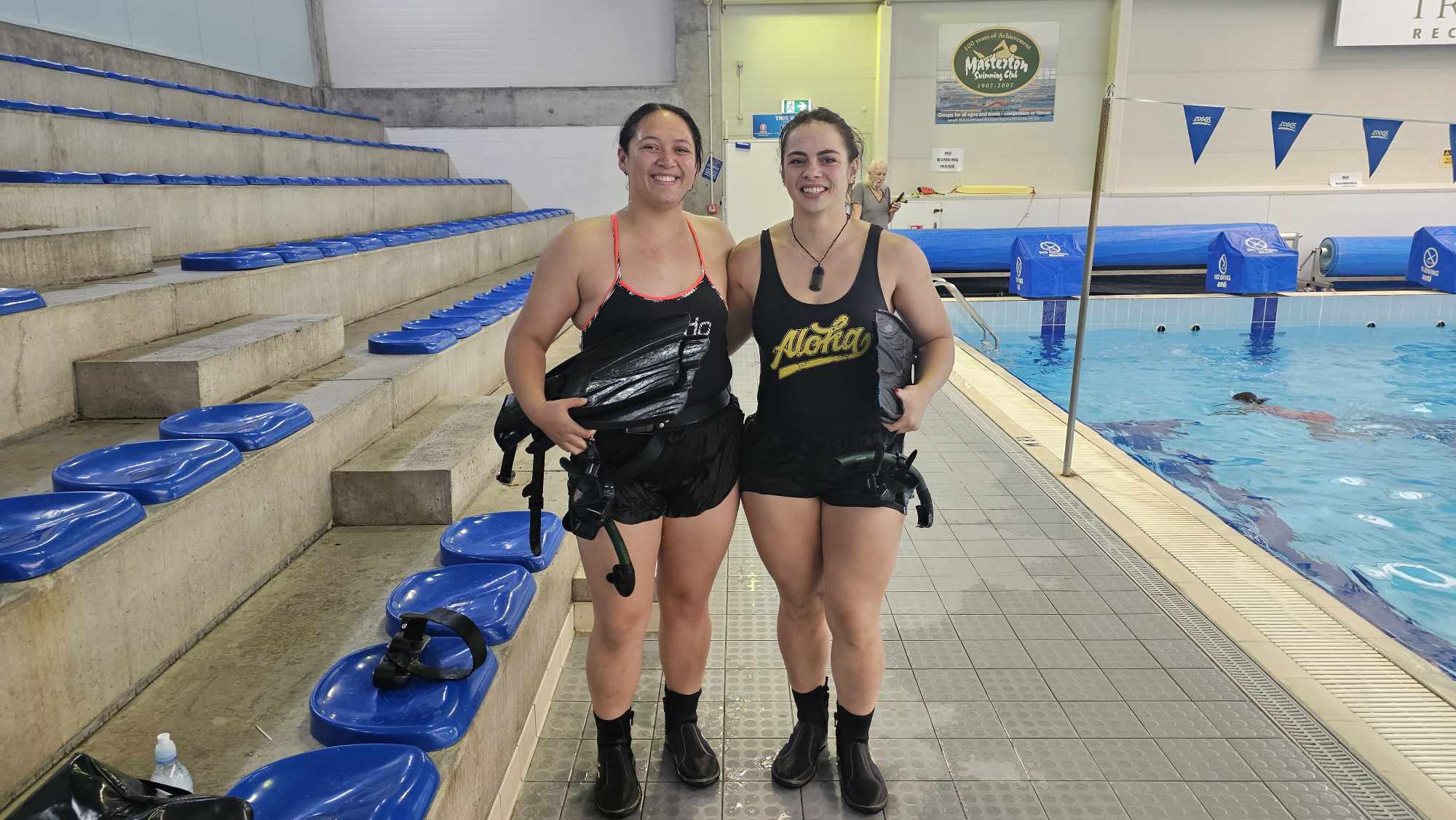
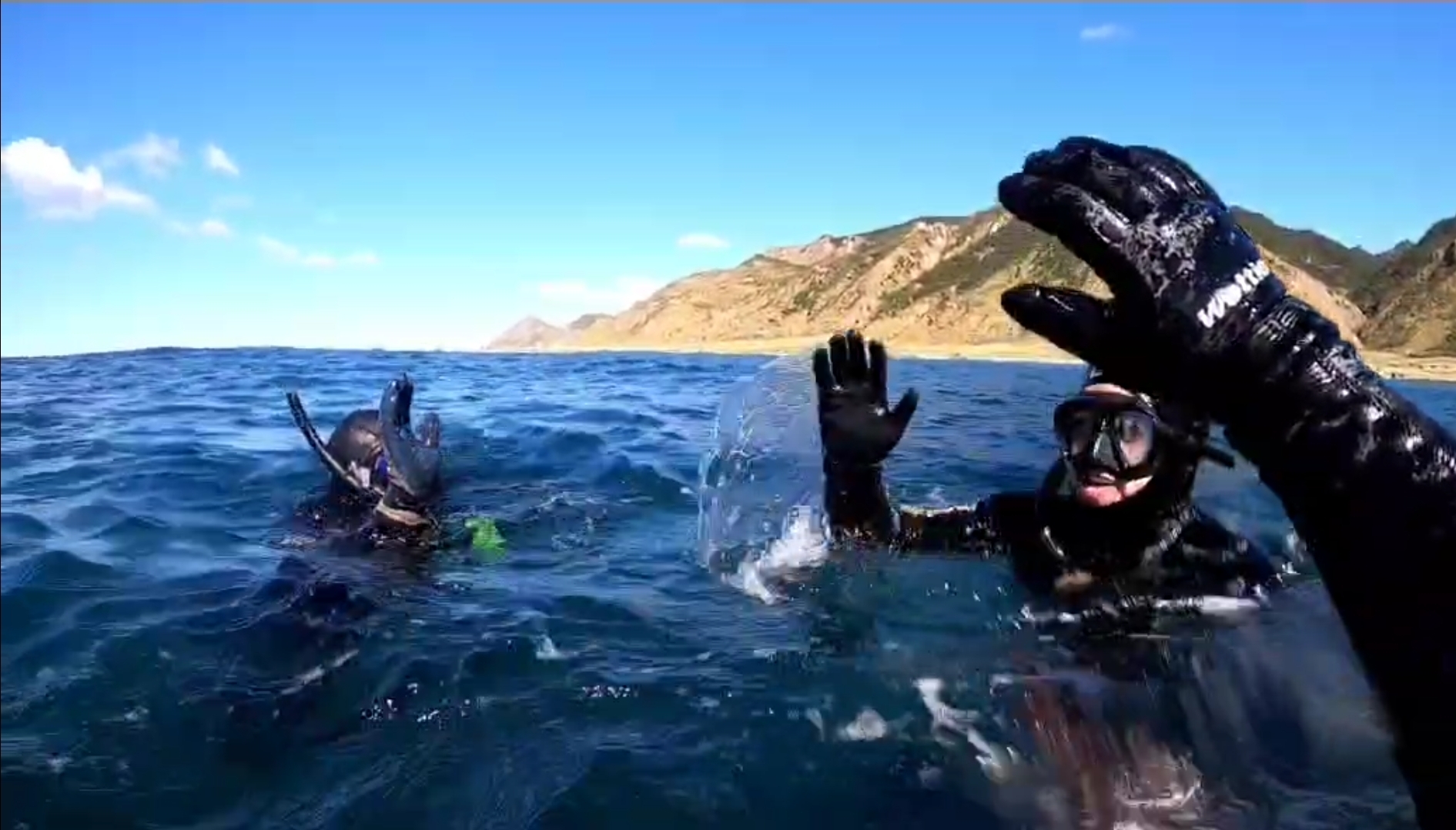
Across the wānanga, up to 30 pakeke engaged in activities that challenged them, empowered them, and reconnected them with traditional practices. Participants developed essential water safety knowledge, strengthened their kai‑gathering skills, and deepened their connection to whakapapa, atua Māori, and te taiao. All were trained and certified in CPR, enhancing safety not only for themselves but also for whānau and community activities.
A key outcome of Hī Ika has been the emergence of a stronger, more connected dive community within our region. This collective now has the capability to support our marae and whānau needs — and most importantly, to do so safely. The wānanga also created space for participants to share their lived experiences, strengthening community bonds and providing opportunities for healing, connection, and collective growth.
What were some of the challenges your kaupapa faced during its implementation?
The main challenges encountered throughout the kaupapa were weather conditions and the availability of participants and guest speakers. Given the nature of the activities and the reliance on suitable marine conditions, weather had the potential to disrupt the flow of the programme. Likewise, coordinating two groups of pakeke alongside external facilitators just meant scheduling got a bit tricky at times. However, receiving the time extension provided the flexibility needed to plan effectively around these constraints. With additional time, we were able to put strong contingency plans in place, maintain clear communication with all parties, and adjust the schedule where needed without compromising the integrity of the kaupapa.
How did this kaupapa benefit from the Tonganui Scholarship?
By receiving this funding, we were able to deliver the wānanga in a way that was truly meaningful and responsive to the needs of our community and whānau. The support allowed us to design sessions that reflected the unique strengths, challenges, and aspirations of our pakeke, rather than relying on a one‑size‑fits‑all approach. It also enabled us to bring in the right people, resources, and cultural practices to ensure the kaupapa was grounded in tikanga and created a safe, supportive, and empowering space for everyone involved.
What are your future plans for this kaupapa?
Because there have been massive outcomes for our rangatahi and a great deal of interest in our community to continue working alongside our pakeke and also our rangatahi that have graduated, my hope is that once we have summarized the findings from both age groups and delivery methods I will be able to build a strong enough business case to approach potential funders to support the continuation of a more collective approach here in our regions.
We are hopeful that, with the success of the recent Pakeke Wānanga, we will be able to secure further support to run the Hī Ika kaupapa again. Interest from Tu Ora and a number of external partners has been encouraging, and we look forward to exploring these opportunities together. At the same time, we acknowledge that the current government climate will play an important role in determining the availability and direction of future funding. Despite this, we remain optimistic and committed to advocating for the continuation of this kaupapa and the positive impact it has shown for our pakeke.